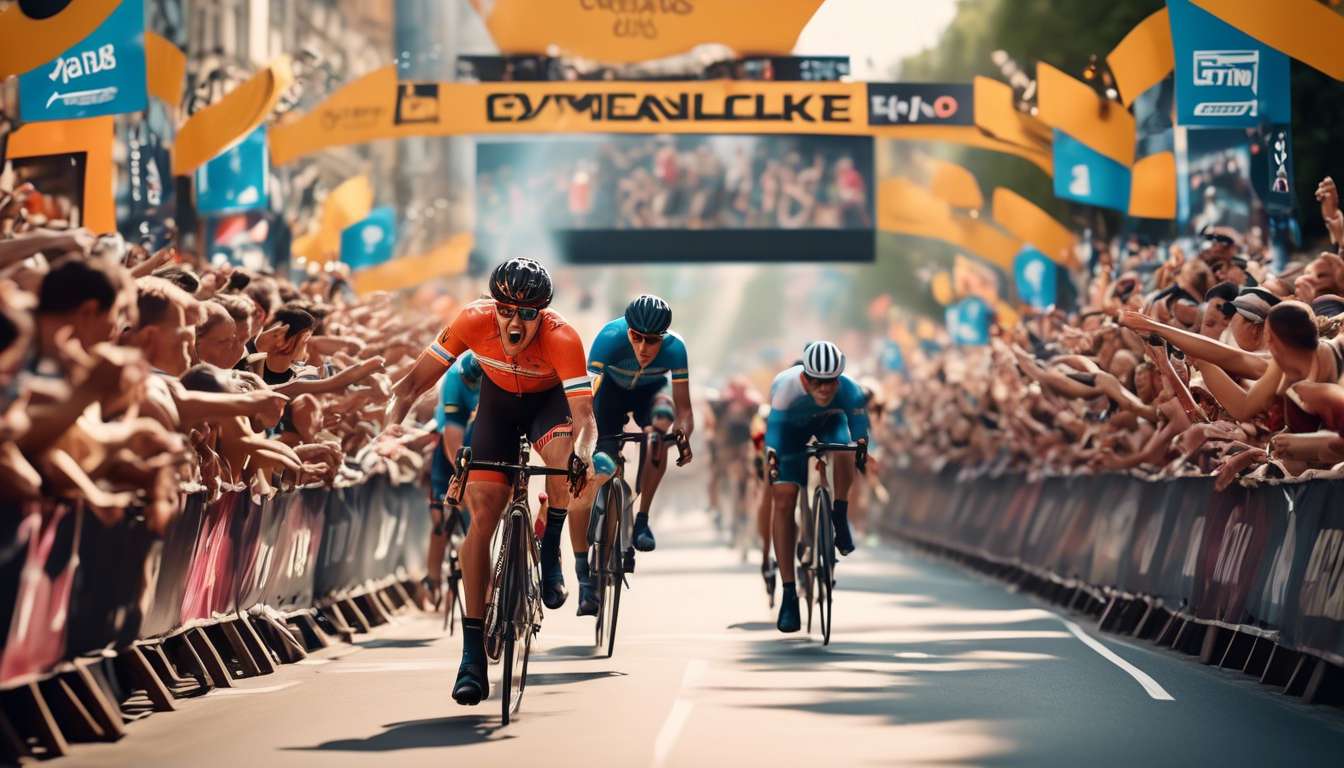
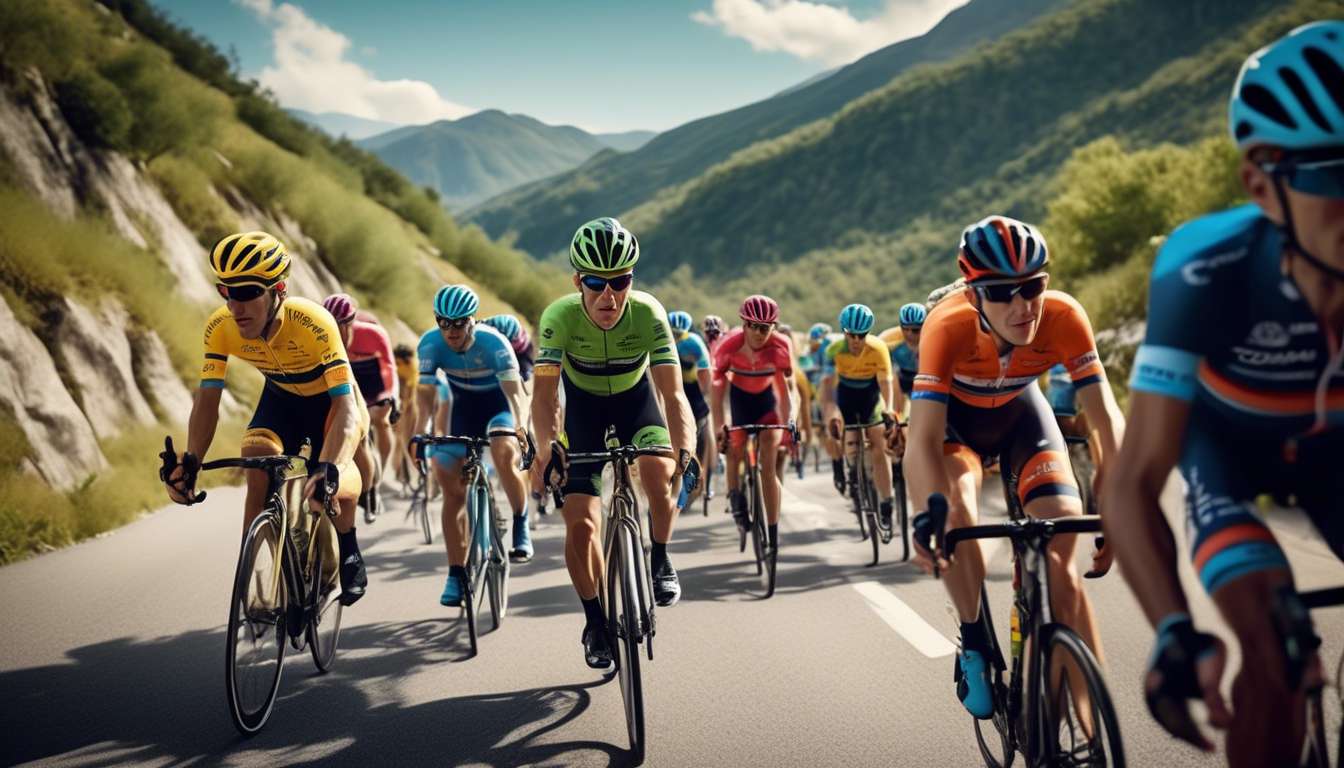
When you start looking at cycling odds, you’ll notice it’s not just about picking a winner—it’s about understanding numbers, market shifts, and where real opportunities might lie. If you’ve ever wondered how bookies set odds, what drives sudden changes, or how stats and current form influence outcomes, you’re not alone. There’s a lot going on behind the scenes, and knowing how to spot value can give you a distinct edge in the peloton.
Understanding Implied Probability and Market Margins
Betting odds serve as indicators of a rider’s chance of winning, with the concept of implied probability at the core of this relationship. Implied probability is derived from the formula 1 divided by the decimal odds, providing a quantifiable measure of what bookmakers believe regarding each competitor’s likelihood of success.
Each price listed in cycling odds—whether for a Grand Tour, summit finish, sprint stage, or road race—carries an associated implied probability. Bookmakers establish these odds utilizing comprehensive models that account for various factors, including rider performance, course characteristics, historical data, and team strategies.
To further refine one’s betting approach, it is essential to understand market margins, particularly the overround in probabilities. This practice aids bettors in identifying favorable odds and potential value, especially for popular entrants like Jonas Vingegaard or other general classification favorites.
By critically assessing these elements, bettors can enhance their decision-making process and possibly improve their outcomes.
How Bookmakers Set and Adjust Cycling Odds
When examining cycling odds, one encounters prices that are determined through a combination of detailed analysis and real-time adjustments.
Bookmakers utilize a comprehensive model that takes into consideration various factors, including the type of stage, course profile, and whether the stage includes climbing or sprint finishes. Odds are established for each individual stage and for general classification (GC) favorites, such as Jonas Vingegaard, reflecting probabilities based on several variables, including rider performance, weather conditions, and team strategies.
These odds are dynamic and can change in response to new information. For instance, an incident like a crash during a significant race, such as the key stages of the Tour de France, can cause immediate adjustments in the betting markets.
By understanding how these odds fluctuate, bettors can identify potential value and enhance their betting strategies, which, in turn, allows for more informed predictions regarding riders’ finishing positions in road cycling events.
Major Cycling Events and Betting Opportunities
The cycling calendar includes several prominent events that garner considerable betting interest, particularly the Grand Tours, which are the Tour de France, Giro d’Italia, and Vuelta a España.
Other significant races, such as the Paris-Roubaix, commonly referred to as the ‘Hell of the North,’ also offer ample betting opportunities.
Bookmakers typically analyze various factors when setting odds, including rider performance, course characteristics, team strategies, and overall probability assessments. They employ models to accurately price each market.
Consequently, staying informed about recent developments, particularly concerning notable riders like Jonas Vingegaard or general classification contenders, can be beneficial.
By monitoring this information, bettors can identify potential value in markets relating to individual stages or predicted finishing positions. A solid understanding of these key events and their context can enhance one’s betting strategy, making for informed decisions rather than speculative wagers.
Types of Bets in Professional Cycling
In professional cycling, a variety of betting types are available to accommodate diverse interests and risk tolerance levels. Betting on outright winners is a common strategy, which includes options for overall general classifications (GC), individual stage victories, or specific jerseys, such as the yellow jersey in the Tour de France, exemplified by a bet on cyclists like Jonas Vingegaard.
Head-to-head betting lines allow participants to wager on single matchups between two competitors, providing a more focused betting experience. Alternatively, Group or Top X markets enable bettors to predict higher finishing positions within a defined group of riders.
Live betting has gained popularity, permitting participants to place bets as events unfold in real-time, such as anticipating the outcome of a summit finish or identifying the leading sprinter during a stage. This method emphasizes the dynamic nature of cycling and the influence of team strategies.
Futures and special bets often cater to long-term engagements in the sport, allowing bettors to make predictions on future events or specific circumstances throughout a racing season. Implied probabilities can guide bettors in assessing potential outcomes based on current odds.
To enhance the effectiveness of betting strategies, utilizing a robust analytical model and possessing a thorough understanding of course profiles are recommended. This approach can contribute to more informed decision-making in sports betting within professional cycling.
Core Factors Influencing Odds and Performance
Historical data is fundamental in determining cycling odds, as bookmakers analyze past Grand Tour outcomes and riders’ consistency to gauge their reliability and current form. Understanding team strategies and course characteristics—such as the nature of the stages, which may include mountain stages, sprints, or summit finishes—is essential for accurately modeling probabilities.
Factors such as rider condition and weather conditions also significantly affect betting markets, especially for general classification (GC) contenders. Notable riders, like Jonas Vingegaard, have their lines and prices adjusted as new information becomes available.
Betting markets are continuously influenced by performances in various races, from classics like the ‘Hell of the North’ to grand events like the Tour de France.
By incorporating these elements into your betting strategy—focusing on finishing positions or predictions for higher finishes—you can enhance your approach to road cycling betting and make more informed decisions.
Real-Time Line Movements and In-Play Markets
During cycling races, odds are subject to rapid changes due to various factors including attacks, crashes, and alterations in race pace. Bookmakers frequently adjust lines and pricing throughout each stage of events such as the Tour de France or other Grand Tours.
Observing these markets in real time can reveal mispriced odds, which may arise from significant betting activity or emerging news about the race.
To make informed betting decisions, it is vital to evaluate rider performance, the characteristics of the course, and the strategies employed by teams. This analytical approach is particularly beneficial when assessing scenarios such as bunch sprints, mountain stages, or summit finishes.
If placing a bet during a live event, it is advisable to examine implied probabilities and statistical models, as these factors assist in identifying potential value in road cycling bets.
Common Pitfalls and Effective Betting Strategies
Even experienced bettors may encounter pitfalls when approaching cycling betting without a clear, structured framework. It is essential to develop a model for assigning probabilities that takes into account various factors such as rider form, team strategies, the course profile, and the type of stage—whether it be climbing, sprinting, a summit finish, or a flat road race.
Maintaining a record of every wager is important for evaluating return on investment (ROI) and understanding performance over time. Moreover, bettors should focus on assessing information critically, responding to news with a calculated approach rather than reacting solely to fluctuations in betting lines that may arise from events during races.
It is critical to avoid overestimating the chances of general classification (GC) favorites like Jonas Vingegaard, as bookmakers may adjust odds based on popularity, potentially inflating prices. Diversifying risk by spreading wagers across various markets and stages, particularly in Grand Tours and challenging events such as the Paris-Roubaix, can provide a more balanced approach.
Establishing unit sizes for bets, seeking the most favorable lines, and identifying value in odds can enhance overall betting efficiency. A disciplined strategy grounded in analysis and risk management is vital for long-term success in cycling betting.
Identifying Value and Capitalizing on Market Inefficiencies
Recognizing discrepancies in odds is essential for bettors seeking to gain an advantage in cycling events. By developing a methodical model to compare implied probabilities with the odds presented by bookmakers, one can identify potential value in cycling bets. Each event, whether it be a mountain stage in Road Cycling or an individual sprint finish, presents opportunities for informed wagering.
It is important to monitor various factors that can influence odds, including rider form, course profiles, team strategies, and significant market movements, particularly during major competitions such as the Tour de France.
An understanding of these elements can enhance decision-making processes for bettors, allowing them to identify and capitalize on market inefficiencies in a more effective manner. By systematically evaluating these variables, individuals can improve their betting strategy and potentially achieve greater success in this complex market.
Conclusion
When you’re betting on cycling, understanding odds, market movements, and key performance factors puts you in a stronger position. Don’t just rely on headlines—do your own analysis, compare odds, and seek out value others might miss. With a disciplined approach and use of technology, you can manage risk and find worthwhile opportunities. Stay informed, watch for late changes, and approach each wager with clear strategy. Ultimately, smart betting makes the sport more engaging and potentially rewarding.